What We Do
Antikhaus is a specialist manufacturer of windows and doors for historic and heritage-listed buildings. We combine traditional craftsmanship with modern engineering to create solutions that are historically accurate, technically advanced, and built to last.
Our work follows one core principle: the harmony between façade and window must be preserved — without compromise.
Restoration and Reproduction in One Approach
Every building has its own requirements, and every client has their own priorities. What distinguishes Antikhaus is our ability to combine both restoration and faithful reproduction of historic windows and doors within a single project.
Where original elements can be preserved, we restore them with the necessary care and precision. Where this is not possible — due to damage, loss, or structural necessity — we produce exact window replicas that match the original in profile, proportion, detailing, and surface finish. The result is a seamless integration of restored and newly manufactured elements, indistinguishable from one another on the completed façade.
This dual expertise means that our clients work with one specialized partner for the entire project scope — with consistent quality, appearance, and craftsmanship throughout.
Quality That Lasts
At Antikhaus, durability is not a promise — it is the result of the way we build. Every window and door is manufactured to standards that go far beyond industry norms: precision-milled profiles, carefully selected materials, and surface finishes designed for long-term performance.
Our linseed-oil-based finishes deserve special mention. We use traditional linseed oil coatings that penetrate deep into the wood and protect it from within, rather than merely forming a surface layer. The result is a finish that is not only more durable and weather-resistant than conventional paints, but also gives each window the authentic, refined appearance required by historic façades. Over time, these surfaces age naturally and gracefully — exactly as they should on a heritage-listed building.
For acrylate paints and stain systems, we apply a four-stage coating system: end-grain sealing, deep impregnation of the substrate, application of a primer or base coat, and application of the final topcoat in paint or stain with a wet film thickness of approximately 300 µm. This provides sufficient protection against weathering, UV radiation, and mechanical stress while preserving the desired aesthetic qualities of the surface.
This commitment to quality at every stage of production means that our products have a significantly longer service life than standard alternatives. For our clients, this directly translates into lower maintenance costs and lasting value.
What Sets Us Apart
Historically faithful profiles — Exceptionally slim timber sections that replicate original sightlines and proportions.
Weather bars — Made from a single piece of wood, with direct connection to the glass.
No visible industrial joints — No V-grooves, which are commonly used today to accelerate window production. The joints in the frames and sashes of our windows are smooth.
Linseed-oil-based finishes — Traditional linseed oil coatings for superior durability and an authentic historic appearance.
Advanced security — Burglar-resistant windows up to RC 4 and bullet-resistant constructions up to FB 4 nS — in the slimmest possible profiles.
Custom manufacturing — Each window is developed in close collaboration with clients, architects, and heritage authorities, based on the original windows and the architectural requirements of the façade.
Built to last — High-quality materials and precision manufacturing for a product lifespan that significantly exceeds that of standard windows.
Our story
1985 — Foundation
Antikhaus was founded in Essenheim with a small team dedicated to the restoration of windows and doors in the greater Mainz area. From the very beginning, the company was defined by its respect for historic architecture and its commitment to authentic craftsmanship.
1989 — Technical Partnership
A collaboration with a long-established Swabian window manufacturer in Riedlingen strengthened the technical and artisanal foundation of the company and supported its early development.
1990 — Beginning of Specialised Production
With the establishment of a dedicated production company in Saxony, Antikhaus began the specialised manufacture of windows for historic buildings, laying the groundwork for its future expertise.
1992 — Expansion of Expertise
The company expanded both its capacity and its product range, developing box-type windows, composite windows, and security windows for listed buildings, while also undertaking its first larger projects across Germany.
1994 — Vision for Growth
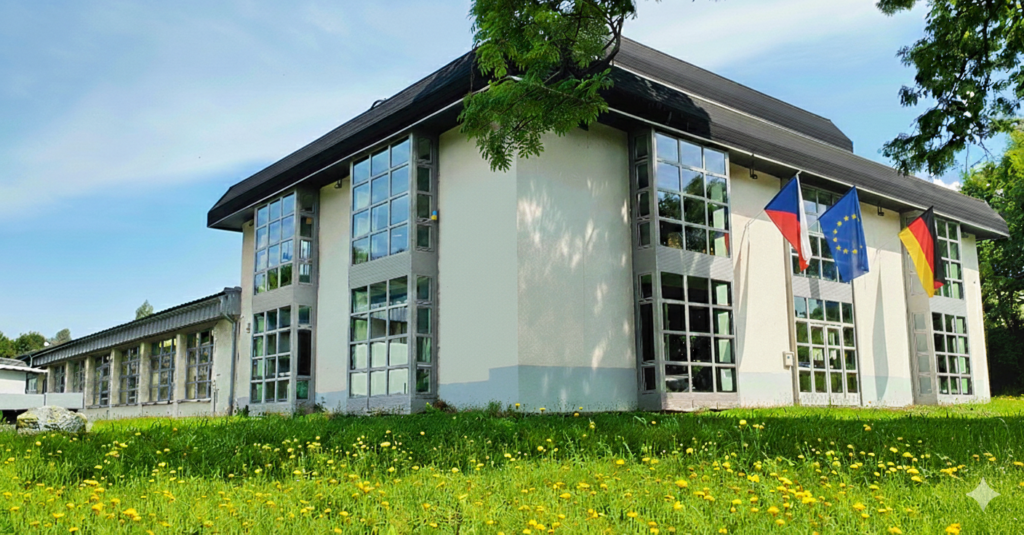
Planning and construction began on a new factory building in Gablonz, designed according to the most advanced technical and ecological standards of its time and providing 4,000 square metres of production space.
1998 — A New Production Era
The new facility was completed and manufacturing began there with 38 employees. During this period, Antikhaus realised major projects for significant public institutions and historically important buildings, including works in Berlin, Leipzig, and Dresden.
2000 — National Recognition
Antikhaus windows received the Federal Prize for Craftsmanship in Monument Preservation, affirming the company’s standing as a specialist in heritage restoration and historically appropriate window construction.
2002 — Innovation in Historic Window Design
New manufacturing programmes were developed for timber-framed windows and bespoke special constructions, while employee training was elevated through in-house developed ISO 2000 standards.
2006 — Quality as a Principle
The restoration programme was further expanded and supported by the introduction of a dedicated quality management system, created specifically to uphold the standards required in heritage work.
2008 — Broader Reach, Same Precision
Antikhaus refined production techniques for private clients and smaller historic buildings, while also establishing a dealer network in Germany and Switzerland.
2011 — Security with Architectural Restraint
The company developed RC 2 security windows with the slimmest possible profiles, achieving an exceptional balance between protection and historical sensitivity.
2012 — Precision through Technology
The machinery park was comprehensively renewed and production moved to computer-controlled systems, allowing even greater accuracy and consistency in manufacturing.
2014 — First Projects in Switzerland
Antikhaus completed its first projects in Switzerland, marking an important step in the company’s international development.
2015 — Growth in Belgium
Operations began in Belgium, and the company had grown to 52 employees, reflecting both its expansion and its continuing reputation in the heritage sector.
2018 — International Presence
Factory offices were opened in Antwerp and Barcelona, strengthening the company’s international reach and visibility.
2020 — Refined Finishes, Advanced Protection
The colour range was expanded with linseed oil finishes, and Antikhaus developed FB 4 nS bullet-resistant windows with exceptionally slender profiles — a remarkable achievement in combining security performance with architectural elegance.
2022 — Expansion of Restoration Capacity
The production area dedicated to restoration work was further enlarged, reinforcing the company’s continued investment in heritage craftsmanship.
2024 — Higher Security Standards
Security windows were advanced to RC 3 burglar resistance, while preserving the smallest possible profile dimensions.
2025 — The Next Level of Protection
Antikhaus extended its security window programme to RC 4 burglar resistance, continuing its pursuit of advanced protection with minimal visual impact.
Our Team
Hans Hackländer
Founder († 2026)
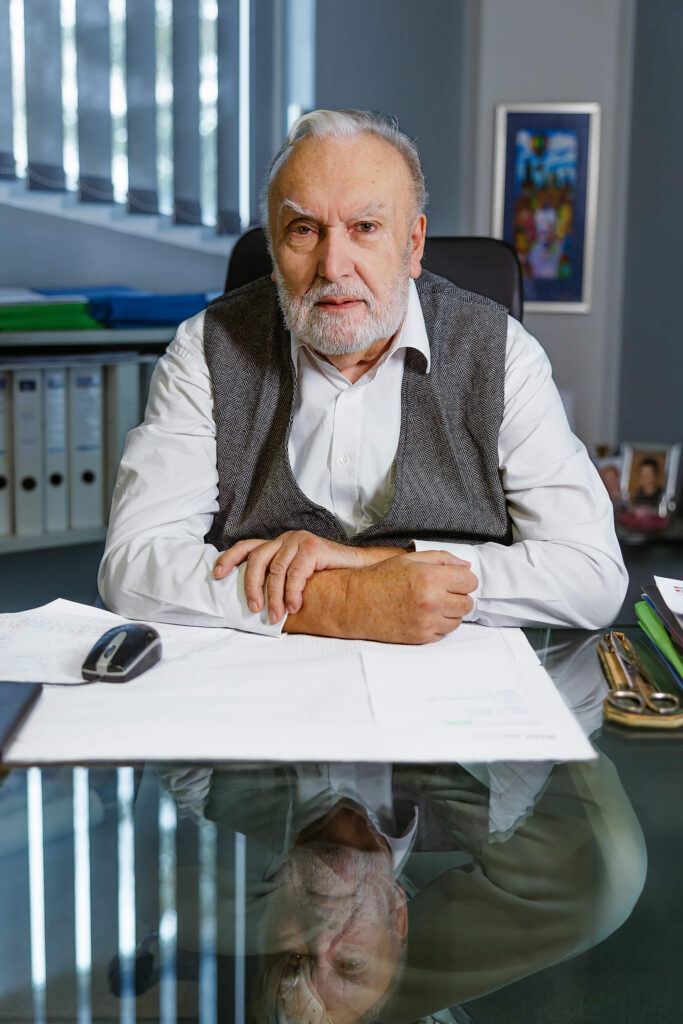
Gerhard Assmann
Co-founder

David Montiel
CEO Trainee / Executive Management
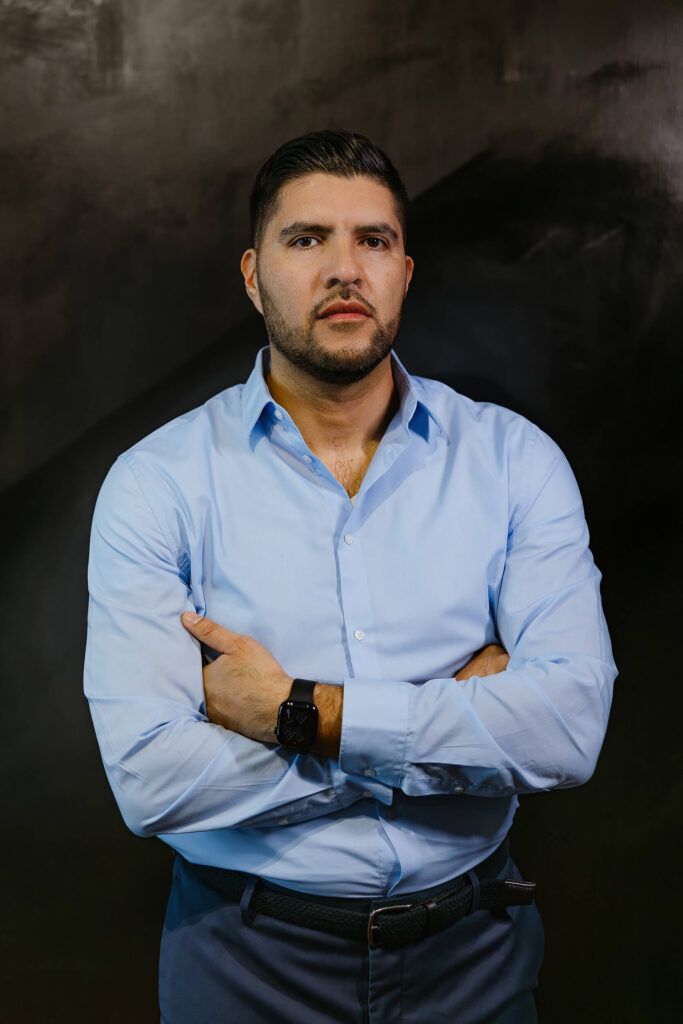
Petr Soukup
COO